
Winemaking
Everyone needs a process when it comes to winemaking. We don’t care what you do. Natural wines? Knock yourself out.
“Fermentations in fossilized woolly mammoth bladders? Whatever. We couldn’t care less.”

We keep our process simple, and we’ll tell you exactly what we do. Every decision, from when we pick to which yeast we use, is made in service of the wine we want to drink. Process matters. The result matters more.
What California Can Be
The most important decision we make for our red wines happens before the fruit reaches the winery: when to pick. We pick later than most wineries because we're looking for true physiological maturity, not a French standard transplanted to California.
The vineyards we work with stretch from roughly 34.5 degrees north in the Sta. Rita Hills to 38.5 degrees in Napa Valley, with the Santa Lucia Highlands between them. Bordeaux sits near 45 degrees north and Burgundy near 47. During the height of the growing season, those higher-latitude regions receive roughly 40 to 90 minutes more daylight per day, depending on the sites being compared.
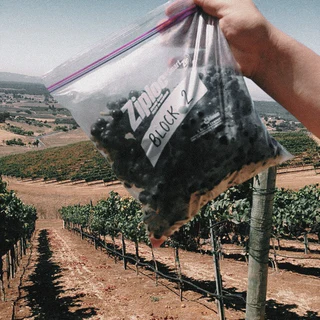
Sunlight drives photosynthesis, which drives ripeness. Fruit in California needs more calendar days on the vine to accumulate equivalent hours of daylight. More days mean more hang time, thicker skins, greater sugar accumulation, and more acid loss. It's Terroir 101.
Most wineries (in our most humble opinion) pick too soon because they worry about the higher alcohol and lower acid that come with waiting. We would rather understand those conditions and work with them than pick before the fruit reaches the maturity we're looking for.
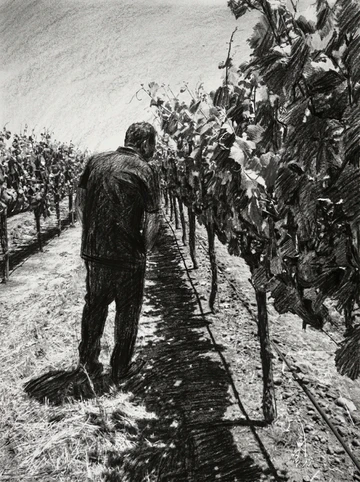
We aren't interested in making California wine that mimics France. We refuse to be the wine equivalent of a cover band. We're all about what California wine can be.
“We refuse to be the wine equivalent of a cover band.”
The Fermentation We Choose
We don't do native-yeast fermentations. We inoculate with a cultured commercial yeast because it gives us consistently good results. Don't believe the myth that commercial yeasts are Frankenstein-like lab creations. They begin as native yeasts that performed well, were isolated, and were preserved so they could perform again. Nothing nefarious.
The same thinking applies to the malolactic bacteria we use. Malolactic fermentation converts sharper malic acid into softer lactic acid and is part of bringing the wine to biological stability. We use selected ML bacteria that can co-ferment with yeast without producing volatile acidity.
Those cultures were also selected for low production of biogenic amines, including histamine. We consider that a healthier choice than leaving fermentation to random native strains.
We know what we're adding, what we expect it to do, and why it's there. That's the process. The wine still has to prove it was the right choice.
Chardonnay: By the Numbers
We make the picking decision differently for Chardonnay. Once the fruit reaches about 24 Brix, we pick. Brix measures dissolved solids in the juice, primarily sugar. We've found that waiting longer pushes the wine too far into tropical fruit. We prefer citrus and stone fruit.
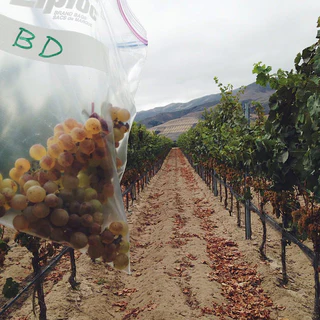
When the grapes arrive, they go directly into the press and the juice goes to tank. We bentonite the juice, using a clay that helps clarify and stabilize it, then let it settle for a couple of days. We rack the clear juice into another tank and add cultured yeast and ML bacteria to begin fermentation.
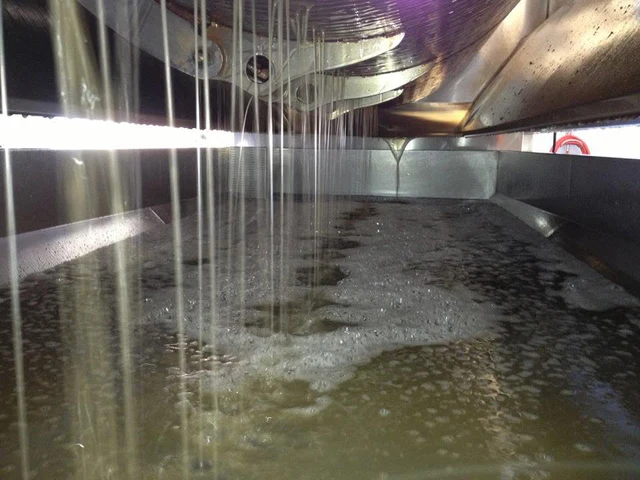
Once fermentation gets rolling, we transfer the wine to barrels to finish. When fermentation is complete, we rack the barrels and let the wine age until bottling, approximately 10 months after harvest.
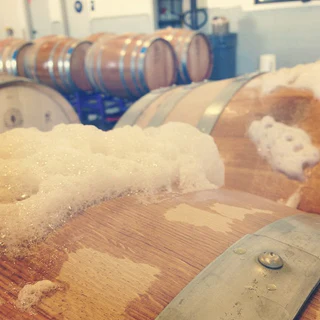
We use relatively low amounts of sulfur throughout the process, but definitely enough to keep the wine biologically stable.
Red Grapes:
Working with
Ripeness
Every red grape we bring in is picked at night, then destemmed and crushed. No whole-cluster or whole-berry fermentation. The must, meaning the juice and solids together, goes directly into 3/4-ton plastic T-Bin fermenters.
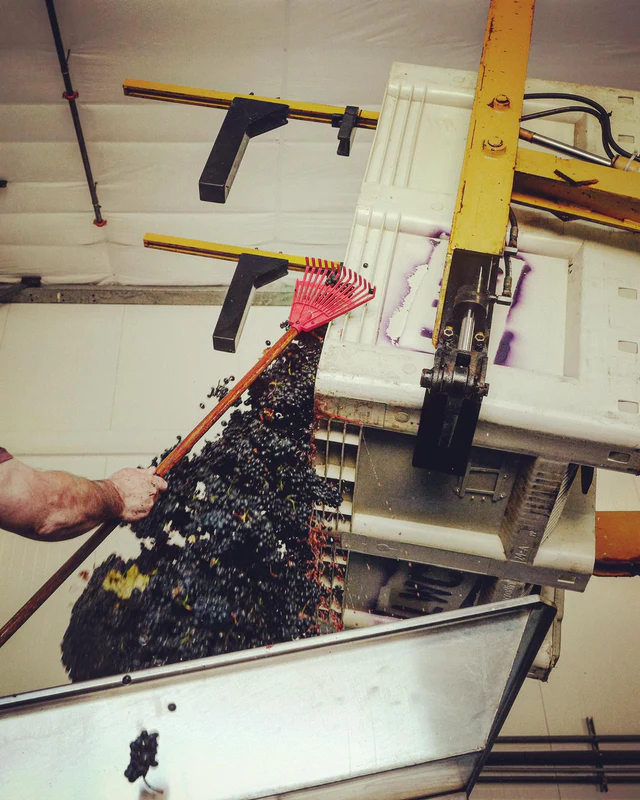
Because the fruit arrives naturally cold, it gives us a 2–3-day cold soak. During that time, we measure sugar and pH to decide whether the must needs water, tartaric acid, or neither. Later picking brings greater sugar accumulation and lower acid, so these measurements tell us how to work with the fruit in front of us.
California allows us to add water and tartaric acid, but not sugar. We don't ever need to add sugar. France allows sugar but not water because grapes there sometimes reach the end of the season without achieving high enough sugar levels.
We inoculate the fermenters with cultured yeast and ML bacteria. As fermentation gets underway, the grape skins rise and form a cap. We punch that cap down once a day, keeping the skins in contact with the fermenting wine.
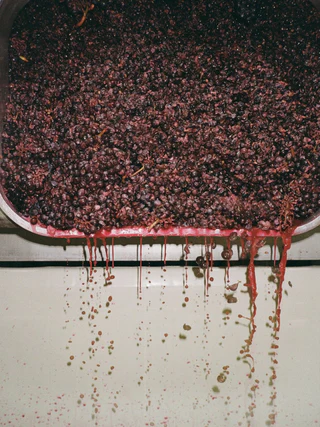
After approximately 21 to 28 days, the cap becomes really soft. We press the wine to tank and let the heavy lees, the larger solids left after pressing, settle.
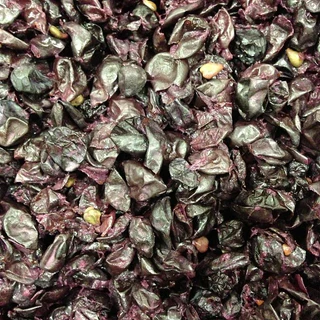
We then rack the clear wine into barrels, where it ages until bottling.
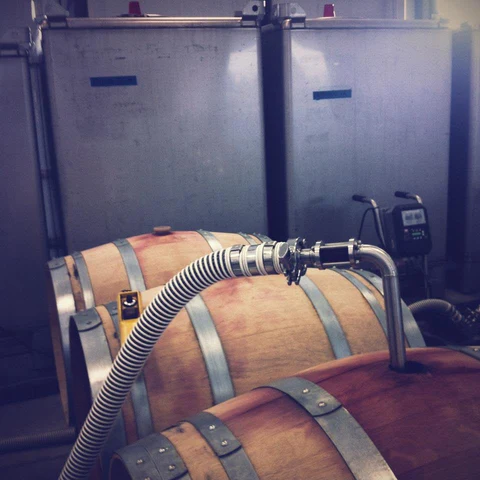
None of this is a secret, and none of it is a moral argument. It's how we work with ripe California fruit to make the wines we want to drink.
The Result
We can explain every decision we make, from the day we pick to the amount of sulfur we use. None of those choices earns value simply because we made it.
The goal is to make wines we love: ripe, generous, fully expressive, and unmistakably from California. Whether you like them is up to you. At least you'll know exactly how they got there.
“All the process stuff is only important when measured by results, and even then, it's completely personal.”